
How to keep a trading competition alive after the first week
Most contests die in week two. Seven organiser habits that keep a demo trading competition busy to the final day: standings posts, rivalries and loss limits.
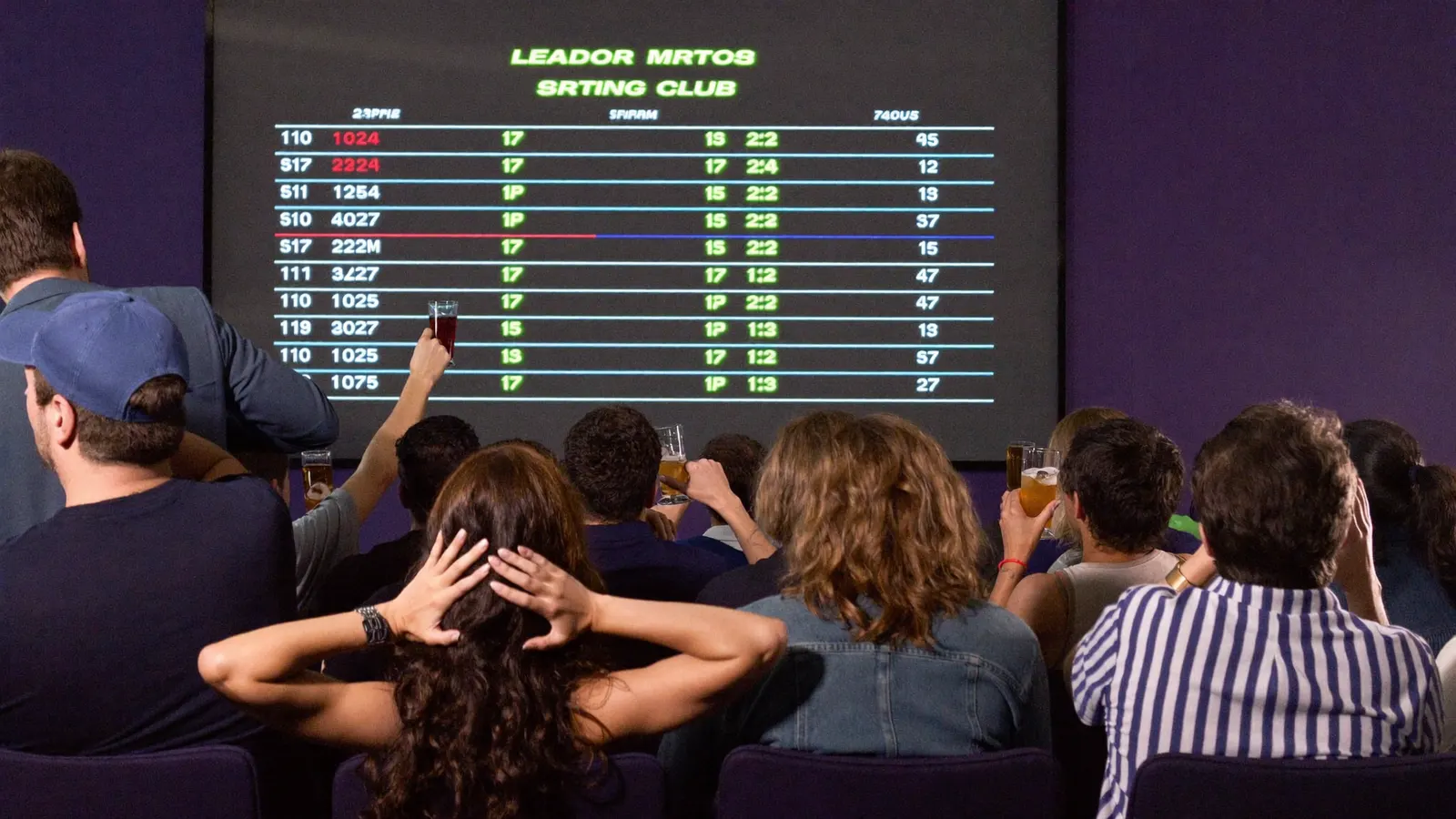
Every trading competition starts with a burst. Sign-ups, first trades, a leaderboard that reshuffles every hour, someone up 12% by lunch. Then week two arrives, the early leader has gone quiet, three people have blown up, and the group chat has moved on.
A contest is a social event, not a spreadsheet, and events need a host. Here are the habits that keep one busy to the end.
1. Post the standings every morning
One message. Who leads, who moved, who got liquidated overnight. It takes two minutes and it is the single most effective thing an organiser can do, because it mentions people by name, and people check things they are mentioned in. The contest page’s activity feed does most of the spotting for you.
2. Set a loss limit before you start
The person who loses 40% on day three and leaves is gone from the chat for the rest of the contest. A daily loss limit of around 10% pauses them until tomorrow instead. Nobody is knocked out, everybody keeps a reason to look. This is a setting, not a policy; set it when you create the contest and it enforces itself.
3. Manufacture a rivalry
Two people within a percent of each other is a story. The boss in fifth place is a story. The new starter leading the department is a story. Point at the story in the chat and let the participants do the rest.
4. Let the losers talk
The best conversations in a trading contest come from 18th place, not first. Someone explaining in detail why gold “should” have gone up is more entertaining than the leader’s quiet competence. Ask the bottom of the table what happened; they usually want to tell you.
5. Give the middle something to play for
Highest return as the only win condition means the top three are the only people with anything at stake by mid-contest. Two fixes: score on risk-adjusted return or consistency, which keeps the steady traders in it, or run side prizes that anyone can win: best single trade, most trades, biggest comeback. Badges on Awarnda cover some of this automatically; the contest chat covers the rest.
6. Make the result card the finale
When the contest ends, the leaderboard freezes and everyone gets a result card. Post the winner’s card where the whole group will see it, and post the wooden spoon too. The card is how people who were not in the contest find out it happened, which is how the next one fills up.
7. Announce the next one before this one ends
A single contest is an event. A series is a habit. Announce the next contest in the last week of the current one, while people are still paying attention, and let the people who finished mid-table feel the pull of a fresh start. If your group runs a contest every month, put them in a league: placement points add up across rounds and a champion is crowned at the end of the season, which gives the 14th-place finisher a reason to show up next month.
None of this needs a budget or much time. It needs an organiser who treats the contest as something that happens to people, not something that runs in the background. The guide to running a demo trading competition covers the setup side; this is the hosting side.